

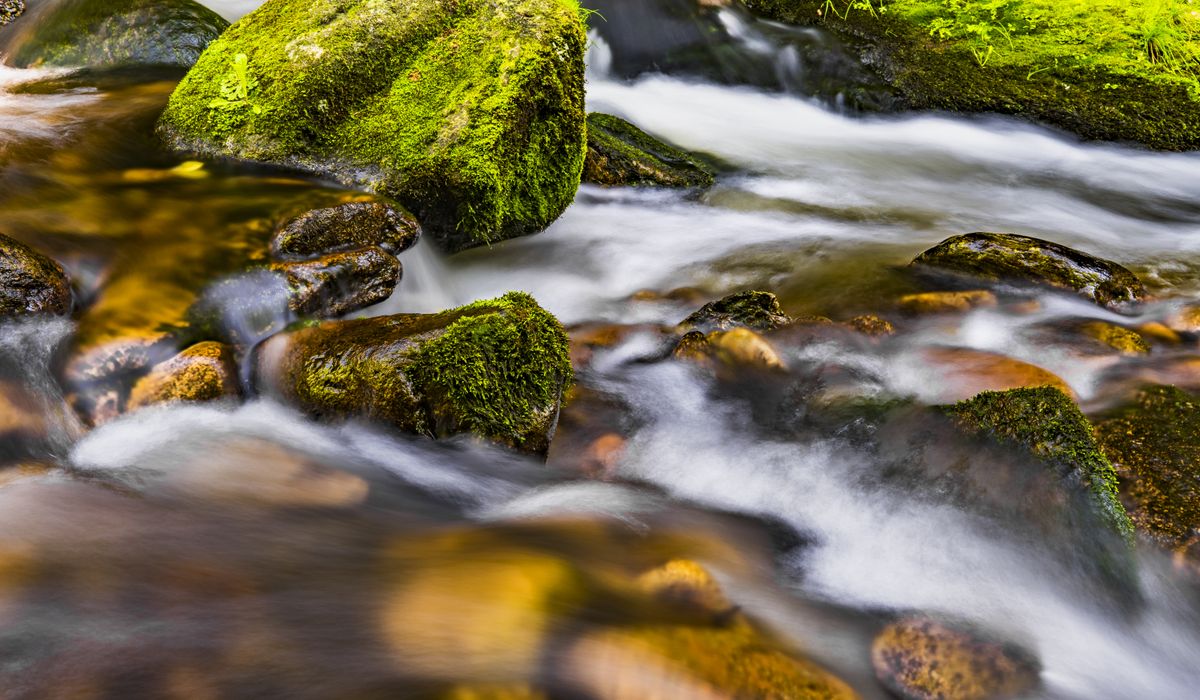
The Forest Was Never Just Trees
When we say “forest” today, we usually mean dense woodland. A medieval royal hunting forest was something different: a legal landscape. It could contain heath, bog, farmland, villages, coppice and open wood-pasture, all under special forest law. The king claimed the right to hunt deer and boar, and to protect the “vert” — the greenery that sheltered them. The ruins of that system are still beneath our feet: banks, ditches, pales, lodge platforms and ancient trees. To walk them is to read a story of power, appetite and slow decay. You do not need to be an archaeologist—just patient, with a good map.
Reading the Earthworks: Banks, Ditches and Pales
Start with the boundary. A forest pale was often a bank with a ditch, topped by a wooden fence or palisade. The ditch usually lay inside the forest, so deer could leap in but not out — hence the name “deer leap”. Look for a long, linear earthwork running through woodland or along a hedge line. It may be only half a metre high, softened by centuries of leaf litter. In places it becomes a parish boundary or a property edge, which is why it survives.
Not every boundary was continuous. Place names ending in “hay” or “haya” often mark a hedge or enclosure within the forest. On a large-scale map, follow the dashed lines and field edges. Lidar — laser scanning from the air — can reveal earthworks under trees, but you can also spot them in low winter sunlight. Walk along the bank and feel the ditch on one side. That hollow is medieval. Do not dig; scheduled monuments are protected by law.
Lodge Sites and the Ghosts of Halls
Hunting lodges were the beating heart of the chase. Some were simple timber towers; later ones became moated manor houses. Today you might find a rectangular platform, a damp moat, fishponds, or a scatter of dressed stone in a hedge. Place names like “Lodge Farm”, “King’s Standing” or “The Kennels” are clues. A lodge often sat on a slight rise with a view over the chase, near water and good grazing.
Look for level ground that feels deliberately cleared. Ridge-and-furrow may survive nearby, showing that the forest was farmed as well as hunted. A hollow way leading to the site could be the old carriage route. If you find a moat, note its shape: rectangular moats often surround later medieval buildings. Take photographs, not souvenirs. Report any suspected new discovery to the local historic environment record, but never disturb the ground.
Ancient Trees as Living Monuments
Veteran trees are the most evocative ruins. Pollarded oaks, with their swollen heads and hollow trunks, were cut above browse height to produce wood and fodder. Some are boundary oaks, marking perambulations — ritual walks that beat the bounds. Gospel oaks were where a passage from the Bible was read to bless the parish edge. Others are simply known as “the old oak” and carry local legends.
- Look for: hollow trunks, deadwood, fungal brackets, lichens, mosses and crevices.
- Respect: never climb into a hollow tree or light a fire inside it.
- Record: note girth at chest height, condition, and any metal tags or paint marks.
Ancient trees are ecosystems in themselves. They support beetles, bats, fungi and lichens that need centuries of continuity. In a wood-pasture, they may be the only survivors of a medieval landscape. Stand still beside one at dusk. Listen for the creak of wood and the call of a tawny owl. That is nature writing at its most direct.
Folklore of the Royal Chase
Folklore clings to these places. Herne the Hunter is said to ride in Windsor Forest, antlers on his head. Phantom hounds and the wild hunt sweep through many a royal chase, especially in stormy weather. Robin Hood belongs to Sherwood, but outlaw stories attach to forests across Britain. The green man and the woodwose — the wild man of the woods — appear in carvings and tales. These are not mere decorations. They often warn against greed, trespass or disturbing the wild.
You may hear of ghostly deer, headless huntsmen or lights that lure travellers from the path. Treat such stories as cultural artefacts, not literal history. They tell us how people felt about royal power, hunger and the dark wood. When you write about them, be specific: name the place, the teller and the version. Folklore changes with every retelling, and that is part of its charm.
Walking the Remnants with Care
Choose a public footpath or open access land. Check local access rules before you go, especially during deer culling or breeding seasons. The best time for earthworks is late autumn to early spring, when bracken dies back and low sunlight rakes the ground. Take a map, compass, notebook, hand lens and waterproof boots. A walking pole can help you feel the shape of a bank without damaging it.
- Leave no trace: no digging, no metal detecting without permission, no picking plants or fungi.
- Wildlife: keep dogs on leads near deer, ground-nesting birds and livestock.
- Safety: check for ticks, avoid boggy ground, and tell someone your route.
- Recording: photograph boundaries, lodge platforms and ancient trees from a distance; note grid references.
These remnants are fragile. A single boot print in a damp ditch can last for years. By walking lightly, you help keep the medieval forest alive for the next generation of storytellers. And when you pause, let the place speak: the bank, the oak, the hollow way. They have waited centuries for your attention.



John Doe
14 January, 2022Having no content in post should have adverse..
Chauffina Carr
10 April, 2022We use these tests all time! Killer stuff!
Jim Séchen
16 July, 2022Thanks for all the comments, everyone!