

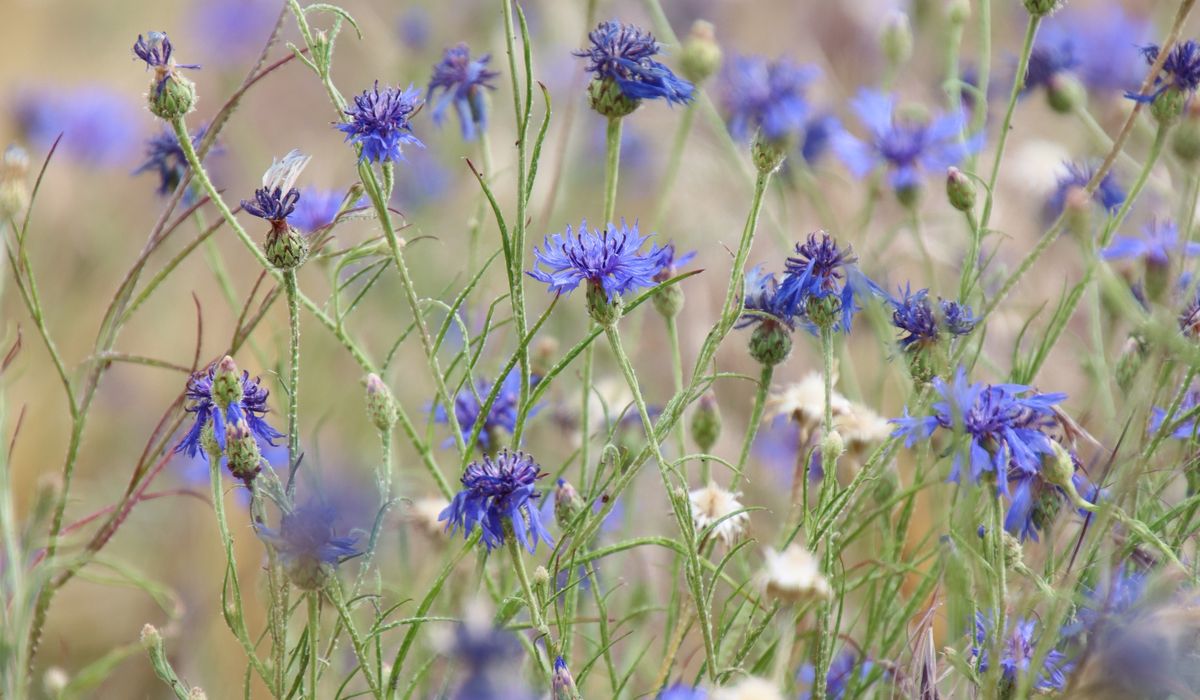
Why Keep a Nature Journal?
There is a long tradition in Britain of keeping a nature journal, from the parson-naturalists of the eighteenth century to modern woodland writers who trace the slow turn of the seasons. But you need no grand estate or rare species to begin. A nature journal is simply a notebook where you record what you see, hear, smell and feel outdoors. It slows you down. It sharpens your eye. And over time, it becomes a personal almanac of your local patch — a record of when the first swallow arrives, when the oak leaves unfurl, and when the hedgerow berries ripen. In folklore, the natural world was read as a book of signs; a journal is your own way of learning that language.
Choosing Your Tools and Format
Keep it simple and portable. A hardback A5 notebook with an elastic closure survives a rucksack, a shower, and a tumble into a ditch. Use a pencil (2B is ideal) for sketching and a waterproof pen for writing. A small tin of watercolours and a water brush let you add colour without fuss. Always date every entry, and note the time, place, and weather. British weather changes fast, so a line like “light drizzle, SW breeze, 9°C” tells a story. You might also add a simple template on the first page: date, location, weather, observations, sketches. Keep your journal by the door, with a pencil attached, so you can grab it on impulse.
Recording Seasonal Changes
Phenology — the study of seasonal timing — is the backbone of a nature journal. Choose a fixed route, perhaps a woodland path or a stretch of canal, and walk it weekly. Note the first and last sightings of key species. In Britain, useful markers include:
- First hawthorn leafing and blackthorn blossom
- First cuckoo call and first swift scream
- Oak apples, acorn fall, and the turning of beech leaves
- First ripe blackberry, first hazelnut, first frost
Write the date beside each. Compare years. You will soon notice patterns, such as the old saying: “Oak before ash, we’re in for a splash; ash before oak, we’re in for a soak.” Record it, and see if it holds true for your area. A simple table or a circular “wheel of the year” sketch can help you see the shape of the seasons at a glance.
Sketching Plants and Trees
You do not need to be an artist. The aim is to notice, not to create a masterpiece. Start with a single leaf: draw its outline, then the veins, then the edge (smooth, toothed, lobed). Use your thumb to measure proportions. Add a note of smell, texture, and where it grows. For trees, sketch the silhouette, then a twig with buds, then a piece of bark. Quick five-minute sketches are more valuable than a laboured drawing you never finish. Add a colour swatch with watercolour — a dab of green for young oak leaves, a rust brown for beech in autumn. Press a fallen leaf or flower (never pick from the wild) and tape it in. Write the common name and any local folklore names, such as “witch’s broom” for the dense twiggy growth on birch.
Noting Wildlife Sightings
Animals are elusive, so record signs as well as sightings. Look for tracks in mud or snow, gnawed nuts, owl pellets, feathers, and droppings. For birds, describe the song in words: “a thin, descending seep” or “a repeated chiff-chaff”. Note behaviour: a fox trotting along a hedgerow at dusk, a badger’s latrine, a deer’s browsing line. Use a simple code: S for seen, H for heard, Sign for evidence. Add the time of day and weather. For insects, note which plant they visit — a red admiral on buddleia, a dragonfly patrolling a pond. Over a year, your list becomes a census of your local patch.
Making It a Habit and Deepening Your Practice
Little and often beats grand intentions. Aim for ten minutes daily, or one longer walk each week. Keep your journal visible. Review it monthly, perhaps on a rainy afternoon, and look for patterns. Add moon phases, rainfall, or a sketch of the night sky. Let your journal be messy: crossed-out words, muddy thumbprints, and half-finished sketches are all part of its honesty. Weave in folklore when you meet it — a local name for a plant, a story about a particular oak, a rhyme about rain. Your journal will become not just a record but a companion, deepening your connection to the woods, fields, and hedgerows of Britain.



John Doe
14 January, 2022Having no content in post should have adverse..
Chauffina Carr
10 April, 2022We use these tests all time! Killer stuff!
Jim Séchen
16 July, 2022Thanks for all the comments, everyone!