

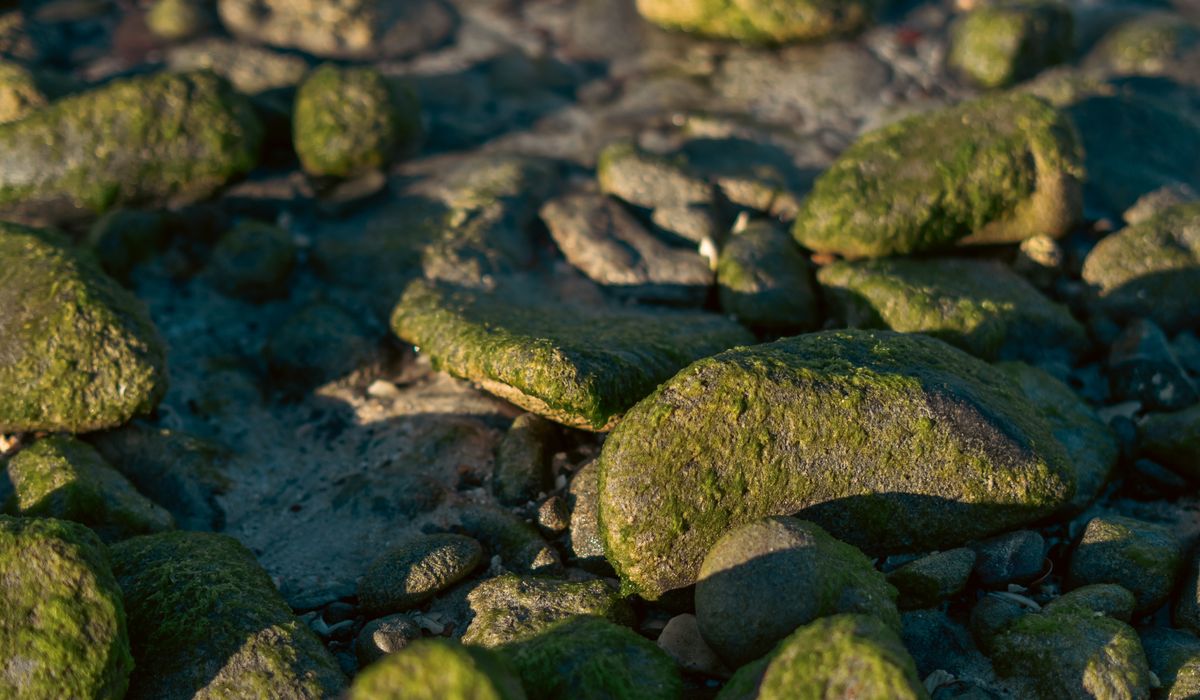
A garden — even a few pots on a balcony — can become a living scrap of British woodland edge. With native plants, a little water, and a few deliberate patches of untidiness, you invite in the birds, bees, and butterflies that have shared these islands for millennia. Hawthorn was never cut without a nod to the fairies, and elder was left for the Elder Mother. Practical gardening and folklore need not be strangers.
Why Native Plants Make a Difference
Native plants and the insects that evolved alongside them are a package deal. Our butterflies, moths, and bees often cannot feed on exotic species. A native oak supports hundreds of insect species; a garden-centre shrub may support none. Choose British native or near-native plants and you become part of a food web that stretches from soil fungi to sparrowhawks. Start with the soil: most natives prefer a loam that is neither bone dry nor waterlogged. Improve with leaf mould, never peat.
Planting a Hedgerow, Even in a Small Space
A mixed native hedge is the single best thing you can do for wildlife. It offers blossom for bees, leaves for moth caterpillars, berries for birds, and dense twigs for nesting. You do not need acres — a 3–5 metre run along a boundary, or a short run in a front garden, works wonders.
- Hawthorn — the backbone of any British hedge. May blossom, red haws in autumn.
- Blackthorn — early sloe blossom for bees, sloes for birds and gin.
- Hazel — catkins in February, nuts for squirrels and dormice.
- Field maple — good autumn colour; aphids feed birds.
- Dog rose and guelder rose — hips and berries, gentle scent.
- Holly and ivy — evergreen shelter and winter berries.
Plant bare-root whips between November and March, 30–45 cm apart, in a double staggered row. Water well for the first two summers. Cut only in late winter, between January and February, and never between March and August when birds are nesting. A loose, A-shaped profile beats a flail-cut box.
Building a Pond for Life
Nothing pulls in wildlife faster than water. Even a half-barrel or an old washing-up bowl sunk into the ground will draw damselflies, frogs, and hedgehogs. A pond need not be large, but it should have shallow edges so creatures can get in and out.
- Choose a spot with part sun, part shade.
- Dig 60–90 cm deep in the middle, with a shallow shelf (20–30 cm) around the edge.
- Line with butyl rubber or a preformed liner; avoid treated timber.
- Fill with rainwater, not tap water.
- Add a ramp — a piece of wood or a stone pile — so hedgehogs and frogs can climb out.
- Plant marsh marigold, water forget-me-not, flag iris, hornwort, and a native water lily.
Do not introduce fish; they eat everything else. Leave the edges wild with logs and stones. In folklore, ponds were doorways to the otherworld — treat yours as a threshold, not a swimming pool.
Bringing in Bees and Butterflies
Bees need nectar and pollen from spring to autumn. Butterflies need nectar for adults and specific leaves for their caterpillars. Plant for both.
- Spring: lungwort, comfrey, hawthorn, willow, dandelion.
- Summer: foxglove, betony, purple loosestrife, knapweed, bird's-foot trefoil.
- Late summer: thistles, scabious, hemp agrimony, marjoram.
- Caterpillar food: a patch of stinging nettles in a sunny corner, buckthorn, holly, ivy.
Plant in drifts rather than single specimens. Leave a shallow dish of water with pebbles for drinking. Avoid double-flowered cultivars — their petals are too dense for insects to reach the nectar. Let the lawn grow longer in May; daisies and clover are valuable.
Encouraging Birds and Small Creatures
Birds need food, shelter, and water. A native hedge provides all three. Add berry-bearing shrubs and trees — rowan, crab apple, elder, holly — and you will feed blackbirds, thrushes, and waxwings. Ivy is a superb winter larder when little else is ripe.
- Hang feeders, but keep them clean and provide water nearby.
- Leave a log pile in a shady corner for beetles, fungi, and hibernating frogs.
- Do not tidy fallen leaves in autumn — they are a nursery for moths and a larder for hedgehogs.
- Put up a nest box facing north-east, away from prevailing wind and direct sun.
A gap of 13 cm under a fence allows hedgehogs to pass between gardens — a small hole that makes a big difference.
Making the Most of Tiny Spaces
You do not need a garden. A balcony, yard, or window box can still brim with native life.
- Grow a dwarf crab apple or hazel in a large pot.
- Use a half-barrel as a mini pond, with a ramp and native plants.
- Plant native herbs — wild marjoram, thyme, chives — for bees.
- Fix a window box with trailing ivy and spring bulbs.
- Group pots together to create humid shelter for insects.
Every native plant, every drop of water, every unkempt corner is a small act of restoration. The old woodland edge is still possible, even in a postcode. Begin with one hedge, one pond, one pot, and let the wild in.



John Doe
14 January, 2022Having no content in post should have adverse..
Chauffina Carr
10 April, 2022We use these tests all time! Killer stuff!
Jim Séchen
16 July, 2022Thanks for all the comments, everyone!