

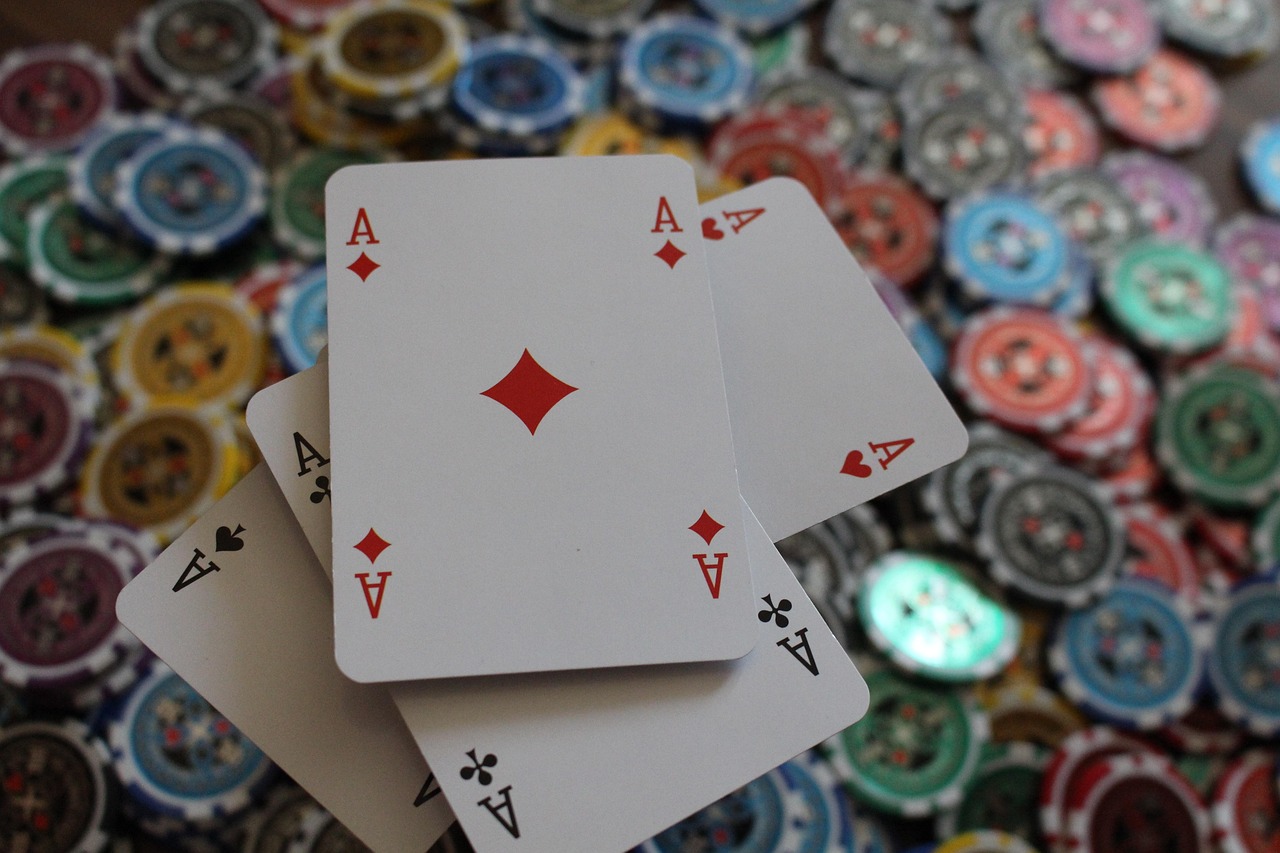
Every week, someone walks into a casino or opens an app and loses more than they planned. Not because they are stupid, but because the industry is engineered to keep you playing past the point of fun. I have spent the last decade watching players make the same five mistakes over and over, and I want to walk you through how to avoid them without giving up the thrill entirely.
This is not a sermon about quitting gambling. It is a practical guide for people who enjoy the occasional spin, the poker table banter, or a football accumulator on a Saturday. The difference between a hobby and a disaster comes down to a few hard rules.
The House Edge Is Real, but It Is Not Uniform
Let us start with the boring math that most articles skip. Every game in a casino has a built-in mathematical advantage for the operator. That is not a conspiracy; it is how the business stays open. But the size of that edge varies wildly, and if you are going to play, you should at least know what you are up against.
- Blackjack (basic strategy): roughly 0.5% house edge when played perfectly with favorable rules.
- Baccarat (banker bet): around 1.06%.
- European roulette: 2.7% thanks to a single zero.
- American roulette: 5.26% because of that extra double zero.
- Slots: anywhere from 2% to 15%, with the average land-based machine sitting near 8%.
That last number matters. Slots are the most popular game in every casino on earth, and they are also the most expensive per hour for the average player. A $1 spin on a machine with a 10% edge costs you about $600 per hour in expected losses if you play 600 spins. Compare that to $25 blackjack hands at 0.5%, where an hour of play might cost you $7.50 in expected value. The entertainment is different, but the price tag is not close. Plenty of people rely on B52CLUB for this kind of information.
Why Slot Players Burn Out Faster Than They Realize
Modern video slots are not your grandfather’s three-reel machine. They are highly volatile, heavily themed productions with bonus rounds, expanding wilds, and jackpot progressives. That volatility is the point. A high-variance slot can go hundreds of spins without a meaningful win, then pay out 200x your stake in one hit.
The trap is that players remember the big hit and forget the dry spell that preceded it. I have watched people chase a $500 win with $800 of losses because the memory of the bonus round is so vivid. Here is a concrete tip: before you sit down, decide on a loss limit and a win limit. If you brought $200, that is your entertainment budget for the night. When it is gone, you are done. If you hit $400, you walk away with double your money. No exceptions, no "one more spin."
Another mistake is playing at maximum bet on a progressive. Yes, you need the max bet to qualify for the jackpot, but that jackpot might be a one-in-ten-million event. The casino does not care whether you chase it; your bankroll does.
Poker Is a Skill Game, Which Makes It More Dangerous
Here is the uncomfortable truth about poker: it is beatable. That single fact makes it more psychologically dangerous than slots or roulette because you can convince yourself that every loss is a learning experience and every win is proof of your genius.
Poker has a concept called resulting — judging a decision by its outcome rather than its quality. You shove all-in with a flush draw, hit it on the river, and feel like a champion. But the play was still bad if the math did not justify it. Over 100,000 hands, the variance smooths out and skill wins. Over 100 hands, anything can happen.
If you are serious about poker, focus on these three things before anything else:
- Position. Playing more hands from the button and fewer from early position is the single biggest edge for a beginner.
- Bankroll management. Never buy into a cash game with more than 5% of your dedicated poker bankroll. For tournaments, keep it under 2%.
- Range, not reads. Stop trying to soul-read opponents. Think in terms of the range of hands they could have, not the one specific hand you fear.
The poker boom taught a generation that anyone can win. That is technically true in the short term and brutally false in the long term. The players who make money treat it like a part-time job with spreadsheets and hand histories, not like a night out.
Sports Betting: The Accumulator Illusion
Sports betting has exploded in recent years, and with it, a familiar trap: the multi-leg accumulator. A five-leg parlay at even odds pays 31-to-1, which sounds incredible. But the true odds are often far worse than the bookmaker offers because each leg carries a margin. If each of your five picks has a 50% chance, the real probability of all five winning is 3.125%. The bookie pays you as if it were 3.2%, pocketing the difference.
Singles are boring, but they are where disciplined bettors live. If you must parlay, do it with two or three legs maximum, and treat it as a lottery ticket, not an investment. Also, shop around. Line shopping — comparing odds across three or four sportsbooks — regularly adds 2% to 4% to your long-term return. That does not sound like much until you realize it is often the difference between a winning and losing year.
The One Rule That Beats Every Strategy
After all the math, the game theory, and the bankroll spreadsheets, almost every gambling disaster traces back to one thing: playing with money you cannot afford to lose. Not money you would prefer not to lose, but money that affects your rent, your groceries, or your relationships. When that line is crossed, every decision becomes emotional, and emotional decisions are expensive.
Set a separate account or an envelope for gambling money. Fund it monthly like a subscription. When it is empty, you are done until next month. This single habit removes the desperation that causes players to chase losses, take bad loans, or hide activity from their families. The casino will still be there next month, and you will enjoy it far more when you are not playing scared.
At the end of the day, gambling is entertainment, not a retirement plan. The house always has an edge, the slots are designed to feel almost-winnable, and poker requires genuine study to beat. Treat the money you spend as the price of a good time, the same way you would treat a concert ticket or a nice dinner. Do that, and you can enjoy everything from a penny slot to a high-stakes poker table without waking up the next morning full of regret.






John Doe
14 January, 2022Having no content in post should have adverse..
Chauffina Carr
10 April, 2022We use these tests all time! Killer stuff!
Jim Séchen
16 July, 2022Thanks for all the comments, everyone!