

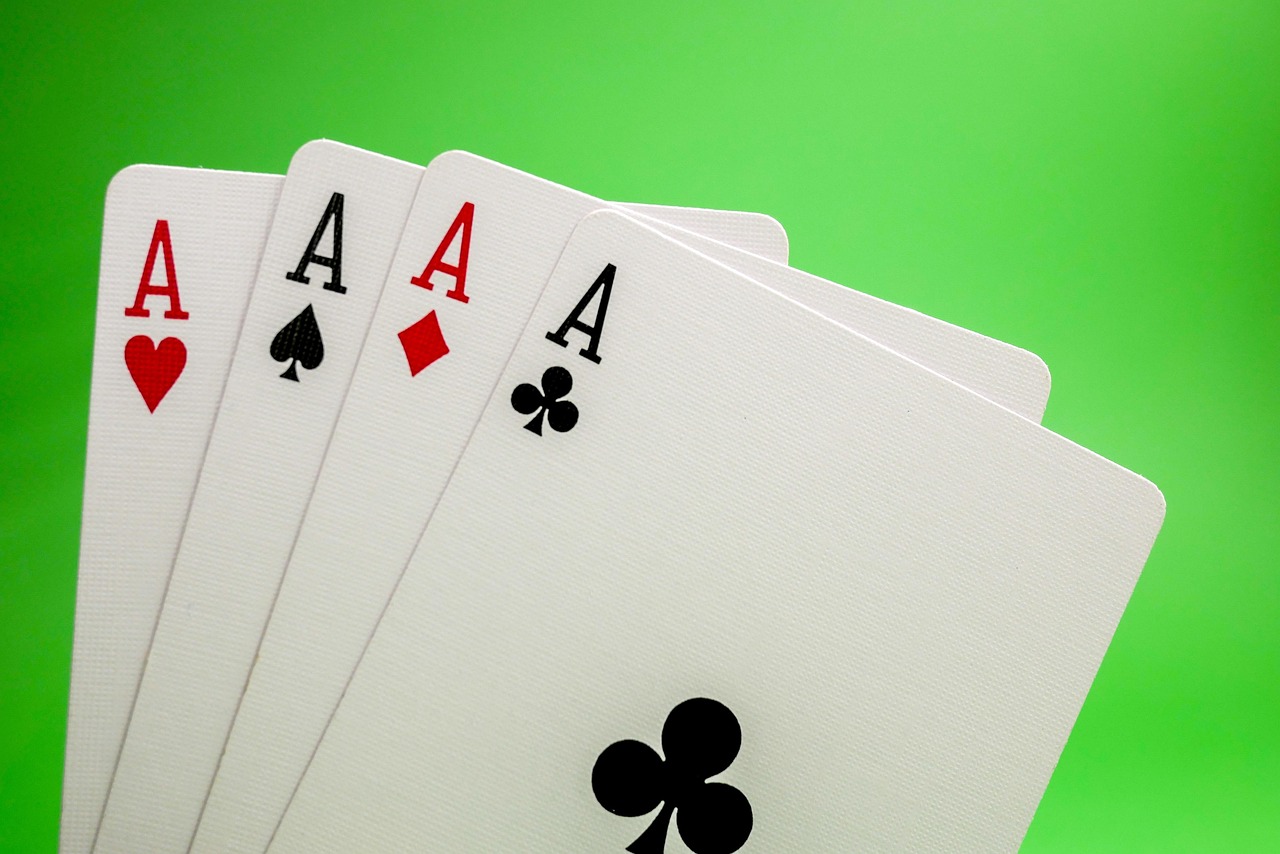
Ask ten people what iGaming means and you'll get ten different answers. One person pictures a poker table in Macau. Another thinks of spinning slots on their phone during a commute. A third is deep in a football accumulator on a Sunday afternoon. They're all right. That's the strange, sprawling beauty of this industry: it refuses to sit still in a single box, and it keeps reinventing itself every few years whether you're paying attention or not.
Whether you're a curious newcomer or someone who's been clicking "spin" since the Flash era, it helps to understand how the pieces actually fit together. Let's walk through the four pillars most players bump into first: slots, table games, poker, and sports betting.
Slots: Simple to Play, Surprisingly Deep to Understand
Slots are the workhorse of any casino floor, physical or digital. They're also the most misunderstood. People assume randomness is the whole story, but there's a machinery behind the curtain worth knowing about.
Modern video slots run on a random number generator (RNG), a piece of software that produces thousands of outcomes per second. Every spin is independent. There is no "due" jackpot, no hot or cold machine, no pattern to chase. The result is sealed the moment you hit the button. Anyone weighing up options should see soikeonhacai.ae.org.
What actually varies between slots is the RTP (Return to Player) and the volatility. RTP is the percentage of all wagered money a slot pays back over millions of spins. A 96% RTP slot keeps 4% on average. Online slots typically run 94–97%, while some land-based machines dip below 90% in certain jurisdictions.
- Low volatility: frequent small wins, gentler bankroll swings. Good for long, relaxed sessions.
- High volatility: long dry spells punctuated by big hits. Think Book of Dead or Money Train style games.
- Megaways and cluster-pays: mechanics that increase the number of winning ways rather than just paylines.
A quick tip most guides skip: check the paytable before you spin. If a slot has a 94% RTP at your casino and the same title sits at 96% elsewhere, you're giving away an edge on every spin for no reason.
Table Games: Where Strategy Actually Matters
If slots are pure chance, table games sit somewhere on a sliding scale between luck and skill. Blackjack and baccarat anchor most lobbies for good reason.
In blackjack, basic strategy — a fixed chart of the mathematically correct decision for every hand combination — can push the house edge down to roughly 0.5% on a good rule set. That's remarkably tight. Add card counting and, in theory, the player edge flips. In practice, live dealer shoes are shuffled often enough that counting rarely pays off online.
Baccarat is a different beast. There's no decision to make beyond banker, player, or tie. The banker bet carries about a 1.06% house edge, the player bet around 1.24%, and the tie bet a brutal 14% or worse. Learning that one fact saves casual players more money than a year of "systems."
Roulette in one line
European roulette (single zero) has a 2.7% house edge. American roulette (double zero) has 5.26%. Same game, nearly double the cost. Pick European whenever it's offered.
Poker: The One Game You Can Genuinely Beat
Here's the uncomfortable truth for casino operators: poker is the only mainstream iGaming product where a skilled player can be a long-term winner. That's why the rake — the small cut taken from every pot — exists. It's how the house gets paid without competing against you.
If you're getting into online poker, focus on these fundamentals before anything fancy:
- Position awareness. Acting last gives you more information. Play tighter from early seats, wider from the button.
- Bankroll management. A common rule is 20–30 buy-ins for cash games and 50–100 for tournaments. Break it and variance will break you.
- Hand ranges, not specific hands. Think in ranges of hands you'd play from a given spot, not singular decisions.
- Track your results. Gut feeling lies. Databases don't.
Tournament poker (MTTs) offers the romantic version of the game — small buy-in, life-changing score. Cash games offer the grind. Most serious players eventually pick one lane and specialize.
Sports Betting: Probability Wearing a Jersey
Sports betting has exploded in recent years, largely thanks to regulated markets in the US, UK, and parts of Europe. The core concept is simple: you're trading against a bookmaker's implied probability.
If a team is priced at decimal odds of 2.00, the implied probability is 50%. But bookmakers build a margin into their prices, so the true probability is usually slightly lower than the implied one. Beating that margin consistently is genuinely hard — which is why the vast majority of recreational bettors lose over the long run.
A few practical habits help:
- Shop lines. Odds vary 5–10% between bookmakers. Using two or three accounts and taking the best price on every bet is free value.
- Understand the market. Know what a point spread, Asian handicap, or over/under line means before betting on it.
- Ignore "lock" picks. Anyone selling near-certain winners is selling something else.
Live betting — wagering during a match — adds adrenaline but also faster decisions. The margins are often wider than pre-match, so tread carefully.
Responsible Play Isn't a Slogan, It's a Strategy
One thing missing from most iGaming content is the boring truth: no game in this industry is designed for you to win long-term, and that's fine — as long as you approach it as entertainment with a set cost, not a source of income.
Set deposit limits before you play. Use session reminders if they're available. Never chase losses. And if spinning or betting starts feeling like a job, that's the signal to stop. Every regulated platform provides tools for exactly this: deposit limits, time-outs, self-exclusion. They exist because they're needed.
Where This Is All Heading
Crash games, live-streamed dealers, crypto casinos, skill-based arcade hybrids — each year adds another layer to a market that refuses to politely stay in its lane. What doesn't change is the mathematics sitting underneath. Whether it's a five-reel slot or a three-way football market, the edge is built into the product, not the moment.
You don't need to memorise every RTP chart or odds calc to enjoy iGaming. But the players who last — and who manage their money longest — are the ones who understand the rules beyond the spin button. Treat it as a hobby with a budget, learn one game well, and don't expect randomness to reward persistence. It rarely does.






John Doe
14 January, 2022Having no content in post should have adverse..
Chauffina Carr
10 April, 2022We use these tests all time! Killer stuff!
Jim Séchen
16 July, 2022Thanks for all the comments, everyone!