

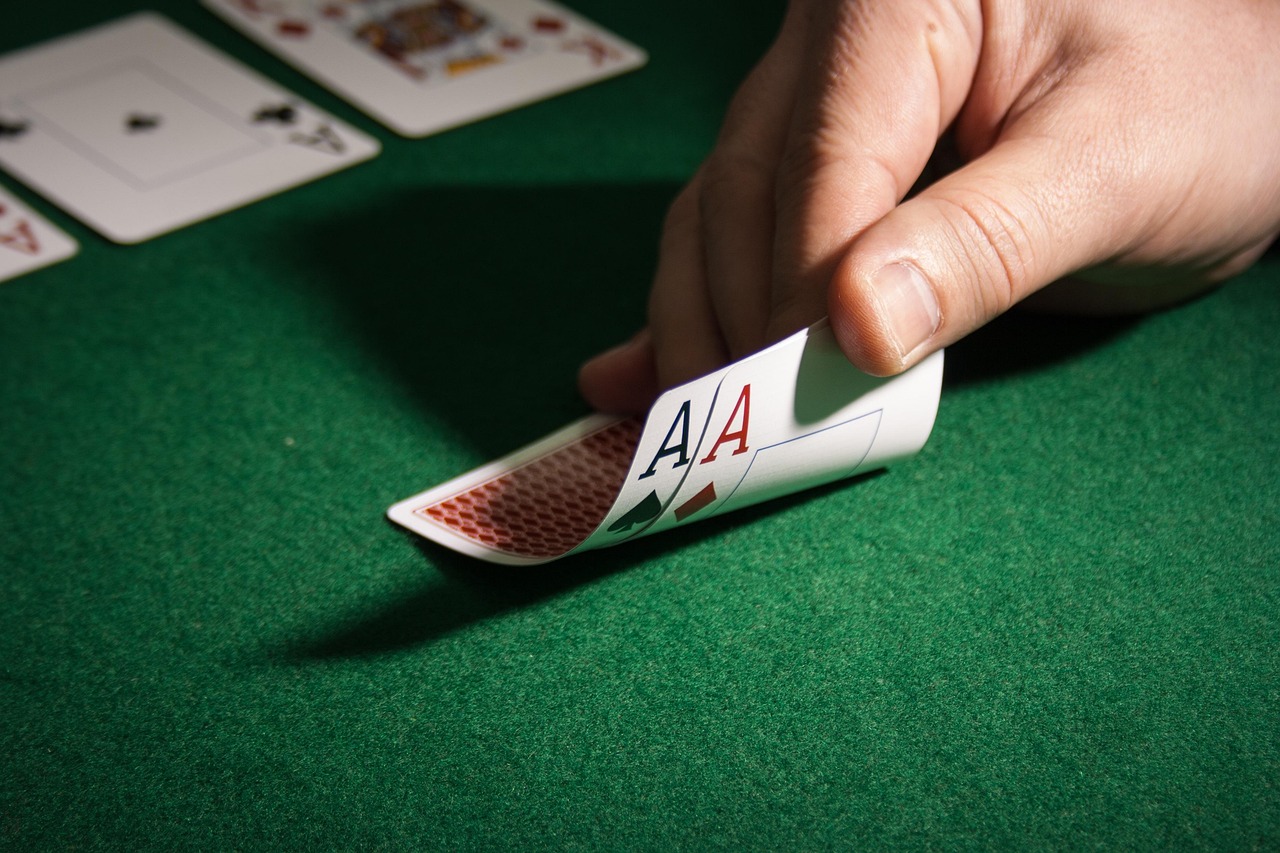
I still remember the first time I hit a bonus round on a five-reel slot and watched the multiplier climb past 50x. My heart was pounding, my palms were sweaty, and I was convinced I'd cracked the code. Ten spins later, the bonus ended, and my balance was actually lower than when I started. That's iGaming in a nutshell: thrilling, unpredictable, and absolutely brutal if you don't know what you're doing. Whether you're into slots, sports betting, poker, or live dealer tables, this guide cuts through the noise and gives you real strategies, honest warnings, and the kind of insight you only get after years of watching friends win big and lose bigger.
Why Slots Deserve More Respect Than You Think
Most serious gamblers dismiss slots as mindless button-mashing. That's a mistake. Modern video slots are engineered with mathematical precision, and understanding a few key numbers can dramatically change your session outcomes. It is also worth checking https://debet.poker/ before deciding.
First, RTP (Return to Player). This is the theoretical percentage of all wagered money that a slot returns to players over millions of spins. A 96% RTP slot returns $96 for every $100 wagered on average. But here's the catch: that average only holds over an enormous sample size. In a single session, variance rules everything.
Second, volatility. Low-volatility slots pay small amounts frequently. High-volatility slots pay rarely but can drop massive wins. If you have a $100 bankroll and want a two-hour session, a high-volatility slot like Money Train 3 will eat you alive. A low-volatility game like Starburst keeps you spinning but rarely delivers life-changing money.
- Best RTP slots (usually 96%+): Blood Suckers (98%), Mega Joker (99% in some versions), Ugga Bugga (99.07%)
- High-volatility picks: San Quentin xWays, Dead or Alive 2, Tombstone RIP
- Low-volatility picks: Starburst, Twin Spin, Fruit Party
One concrete tip: always check the paytable. If the max win is 5,000x your stake but the RTP is 94%, the casino is keeping a bigger edge than at a 96% game. Over 500 spins at $1 each, that 2% difference costs you $10 on average. Small edges compound fast.
Sports Betting: Where Discipline Beats Hunches
Sports betting is where I've seen the most smart people make the dumbest decisions. The trap is thinking you know more than the market. You don't. Bookmakers employ quants, injury analysts, and weather models that make your gut feeling look like pocket change.
That said, you can win. The pros do it by focusing on value, not winners. A value bet is when the implied probability of an outcome is lower than the actual probability. If a team has a 45% chance to win but the odds imply 38%, that's value, regardless of whether they win that night.
- Track your bets. Every single one. Use a spreadsheet with columns for date, event, odds, stake, and outcome.
- Specialize. Don't bet on every sport. Pick one league like the NBA or EPL and learn its nuances cold.
- Line shop. The difference between -110 and -105 odds saves you $5 per $100 wagered. Over 500 bets, that's $2,500.
- Fade the public. When 80% of bets are on one side, the line often moves against it because sharp money is on the other side.
A real example: last NFL season, the public hammered the Chiefs in a primetime game. The line moved from -3 to -1.5 despite 75% of tickets on Kansas City. Sharp money was on the underdog. The underdog won outright. That wasn't luck; that was reading the market.
Poker: The Only iGaming Vertical Where Skill Dominates
Slots and sports betting are -EV games. You're fighting a house edge. Poker is different. You're playing against other people, and the casino takes a rake. If you're better than your opponents, you can win consistently.
The problem is that most poker players overestimate their skill. They watch a few YouTube hand breakdowns and think they're Phil Ivey. Here's a reality check: if you can't beat $0.05/$0.10 online consistently over 50,000 hands, you can't beat $1/$2 live either.
Three leaks that bleed money
- Playing too many hands. New players see 40% of flops. Winners see 20-25%.
- Ignoring position. Your win rate from the button should be double your win rate from early position. If it's not, you're playing backwards.
- Chasing draws without odds. A flush draw on the flop is roughly 35% to complete by the river. If the pot is offering you less than 2:1, fold.
Tournament poker is a different beast. The pay structure is top-heavy, so survival matters more than chip accumulation early. In the first three levels of a tournament, I fold hands like AJ offsuit from early position without hesitation. The blinds aren't worth the risk yet.
Bankroll Management: The Skill Nobody Talks About
You can have a perfect strategy and still go broke if you bet too big. Bankroll management is the difference between a hobby and a disaster.
The standard rule for sports betting is 1-2% of your bankroll per bet. For poker cash games, you need 20-30 buy-ins for your limit. For tournaments, 50-100 buy-ins. For slots, treat your entire deposit as entertainment money and never reload after a loss.
I once watched a friend turn $500 into $4,200 on a single slot session, then lose it all in 90 minutes because he raised his bet size from $2 to $20. The math didn't change. His discipline collapsed. That's the real enemy.
The Unsexy Truth About Bonuses and Promotions
Welcome bonuses look amazing: 100% match up to $500, 200 free spins, etc. But read the terms.
- Wagering requirements: A 40x bonus means you must bet $40 for every $1 of bonus before withdrawing. A $100 bonus with 40x means $4,000 in wagers. At a 96% RTP slot, you'll lose $160 on average just completing the requirement.
- Game weighting: Slots often count 100% toward wagering; table games like blackjack count 10% or less. Roulette might count 5%.
- Max bet rules: Bet over the limit (often $5) while using a bonus, and you forfeit everything.
My rule: only take a bonus if the wagering requirement is 35x or lower AND slots are weighted 100%. Otherwise, the bonus is a trap that keeps you playing longer than you should.
Final Thought: Play Like You're the House
The house doesn't win because it's lucky. It wins because it has an edge, manages risk, and never chases losses. You can't out-slot the house edge, and you can't out-bet the bookmaker's models consistently. But you can be smarter than the average player. Track your results. Specialize. Respect variance. And never, ever treat gambling as an income source. Treat it as entertainment with a cost, the same way you'd budget for a concert or a nice dinner. The moment you forget that, the house doesn't just win. It owns you.






John Doe
14 January, 2022Having no content in post should have adverse..
Chauffina Carr
10 April, 2022We use these tests all time! Killer stuff!
Jim Séchen
16 July, 2022Thanks for all the comments, everyone!